
On any heavy-duty construction or industrial site, safety and stability are paramount. Moving heavy machinery, such as cranes, across uneven, soft, or sensitive ground poses a significant challenge. Without proper ground support, this equipment can get stuck, cause substantial damage to the terrain, or tip over, leading to catastrophic accidents. This is where crane mats play a critical role.
These essential pieces of equipment provide the stable foundation necessary to operate heavy machinery safely and efficiently. This article explains what crane mats are, the different types available, and their importance across a wide range of industrial applications. Understanding their function and significance is the first step toward ensuring a safer, more productive work environment.
What Is a Crane Mat?
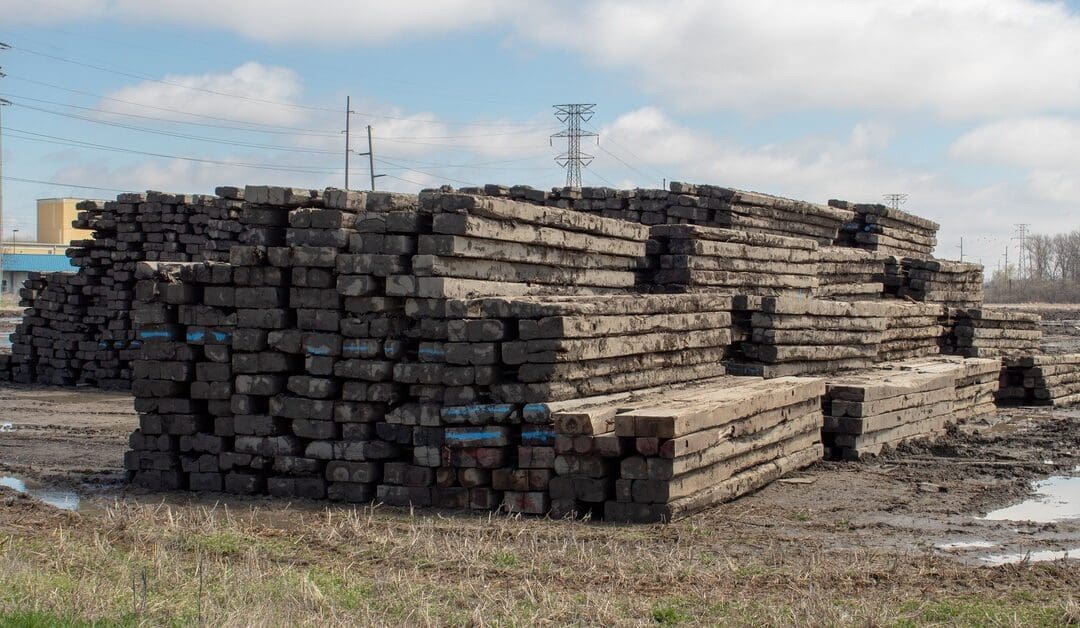
A crane mat is a heavy-duty mat designed to provide ground stabilization and support for heavy equipment, such as cranes, excavators, and drilling rigs. These mats distribute the immense weight of the machinery over a larger surface area, preventing the equipment from sinking into soft or unstable ground. By creating a solid, level platform, crane mats ensure the safe and efficient operation of heavy loads in challenging environments.
They are typically constructed from dense, durable hardwoods, though composite materials are also used. Their robust build allows them to withstand extreme pressure and harsh weather conditions, making them a reliable solution for temporary roadways, work platforms, and ground protection on job sites.
What Are Crane Mats Made Of?
The material used to construct a crane mat is crucial to its performance and durability. Most crane mats use one of two primary material types: timber or composite.
Timber Mats
Timber is the traditional and most common material for crane mats, valued for its strength, cost-effectiveness, and availability. Hardwood species work best due to their natural density and resilience.
- Mixed hardwood: Many crane mats are made from a combination of dense hardwoods like oak, maple, and hickory. This approach provides a strong, durable mat at a competitive price. These mats can handle significant weight and are suitable for most general applications.
- Oak: Oak is a premium choice for crane mats due to its exceptional strength and resistance to wear. Oak mats are known for their longevity and ability to withstand repeated use under heavy loads, making them a reliable investment for demanding projects.
- Douglas fir: While technically a softwood, Douglas fir is sometimes used for lighter-duty applications or where a more transportable option is needed. These mats are less dense than their hardwood counterparts but still offer adequate support for certain types of equipment.
Timber mats are typically assembled by bolting or pinning large wooden beams together, creating a solid, interconnected platform.
Composite Mats
Composite mats are a modern alternative to traditional timber mats. Manufacturers engineered these mats from recycled plastics or other synthetic materials, offering distinct advantages.
- High-density polyethylene (HDPE): Composite mats are often made from HDPE, which makes them highly resistant to water, chemicals, and insects. Unlike wood, they do not absorb moisture, so their weight remains consistent, and they won’t rot over time.
- Durability and longevity: These mats are extremely durable and have a very long lifespan. They are less prone to breaking or splintering under pressure, thereby reducing long-term replacement costs.
- Environmental considerations: While timber is a renewable resource, composite mats use recycled materials, which helps reduce plastic waste. They also prevent the transfer of contaminants between job sites, as they are non-porous and easy to clean.
The choice between timber and composite mats often depends on the project’s specific needs, including budget, environmental regulations, and the type of equipment being used.
Why Are Crane Mats So Important?
Crane mats are more than just a convenience; they are a fundamental component of site safety and operational efficiency. Their importance can be summarized in several key benefits.
Enhanced Safety
The primary reason for using crane mats is to ensure the safety of personnel and equipment. Heavy machinery operating on unstable ground is at high risk of tipping over. Crane mats create a stable, level base, significantly reducing this risk. By preventing accidents, companies can protect their workers, avoid costly equipment damage, and maintain a safe job site.
Ground Protection
Construction and industrial projects often take place on environmentally sensitive ground, such as wetlands, or on finished surfaces, such as asphalt parking lots. Crane mats act as a protective barrier, shielding the ground from the immense pressure and friction caused by heavy equipment. This prevents soil compaction, turf damage, and rutting, minimizing the project’s environmental impact and reducing post-project restoration costs.
Improved Accessibility
Many job sites are located in remote areas with undeveloped terrain. Crane mats can be used to build temporary access roads, allowing trucks and other vehicles to reach the work area safely, regardless of weather conditions. This ensures that the project can proceed on schedule, even in muddy or sandy environments.
Increased Efficiency
Without a stable platform, equipment operators must work more slowly and cautiously to avoid accidents. Crane mats provide a solid foundation that allows machinery to operate at full capacity without the risk of shifting or sinking. This increases productivity and helps keep the project on track, saving both time and money. A stable work surface also reduces wear and tear on the machinery itself.
Crane Mats for Your Next Project
Crane mats are an essential tool for any project involving heavy machinery, and you need to understand what they are and how they function. By providing a stable and secure foundation, they enhance safety, protect the environment, and improve operational efficiency. Whether you choose traditional hardwood mats for their proven strength or modern composite mats for their durability and environmental benefits, investing in the right ground protection solution is critical for success.
For projects in challenging terrains, crane mats are not just an option—they are a necessity. Understanding their role and selecting the appropriate type for your needs will help ensure your operation runs smoothly, safely, and on schedule. If you want to avoid the worry about the different equipment you’ll need, work with Heave Ho! Crane & Rigging for the best crane rental.
Our Louisiana crane company has been serving the Gulf Coast area for over 30 years, helping businesses and residential construction projects with our easy crane rentals. From HVAC installations to generator installations, we can help you with your crane needs. Contact us today to request a quote and learn more about our services.