
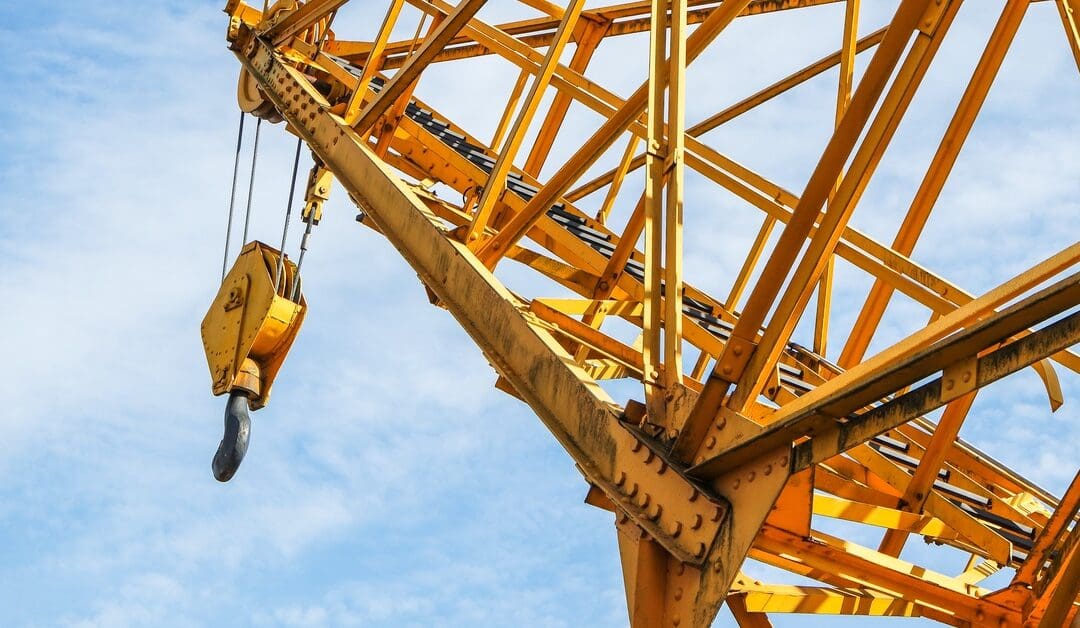
When a single crane can’t handle the load, a tandem lift becomes the necessary solution. This specialized technique involves using two or more cranes to lift and move an object that exceeds the capacity of one crane due to its weight, size, or shape. While essential for many industrial and construction projects, tandem lifting is a complex operation that demands meticulous planning, precise execution, and unwavering attention to safety.
Successfully executing a tandem lift requires more than just powerful equipment. It involves a deep understanding of physics, engineering principles, and operational coordination. Every element, from crane selection and positioning to operator communication, must be perfectly synchronized to ensure that the load moves safely and efficiently. Let’s take a deep dive into the art of tandem lifting to ensure you do it properly.
What Is Tandem Lifting?
A tandem lift, also known as a multiple crane lift, is an operation in which two or more cranes simultaneously handle a single oversized or heavy load. You normally use this method when a load’s characteristics, such as its weight, dimensions, or center of gravity, make it impossible or unsafe for a single crane to manage.
Common scenarios requiring a tandem lift include:
- Heavy Loads: Lifting objects like large generators, turbines, or pre-fabricated bridge sections that weigh more than any single available crane can support.
- Long or Awkward Shapes: Moving long beams, pipes, or wind turbine blades requires multiple lift points to maintain stability and prevent the load from bending or breaking.
- Complex Maneuvers: Tilting or rotating large components, such as pressure vessels or precast concrete panels, from a horizontal to a vertical position for installation.
By distributing the load between multiple cranes, the lifting team can maintain control and stability throughout the move, ensuring the safety of both the cargo and the surrounding environment.
The Critical Role of Planning
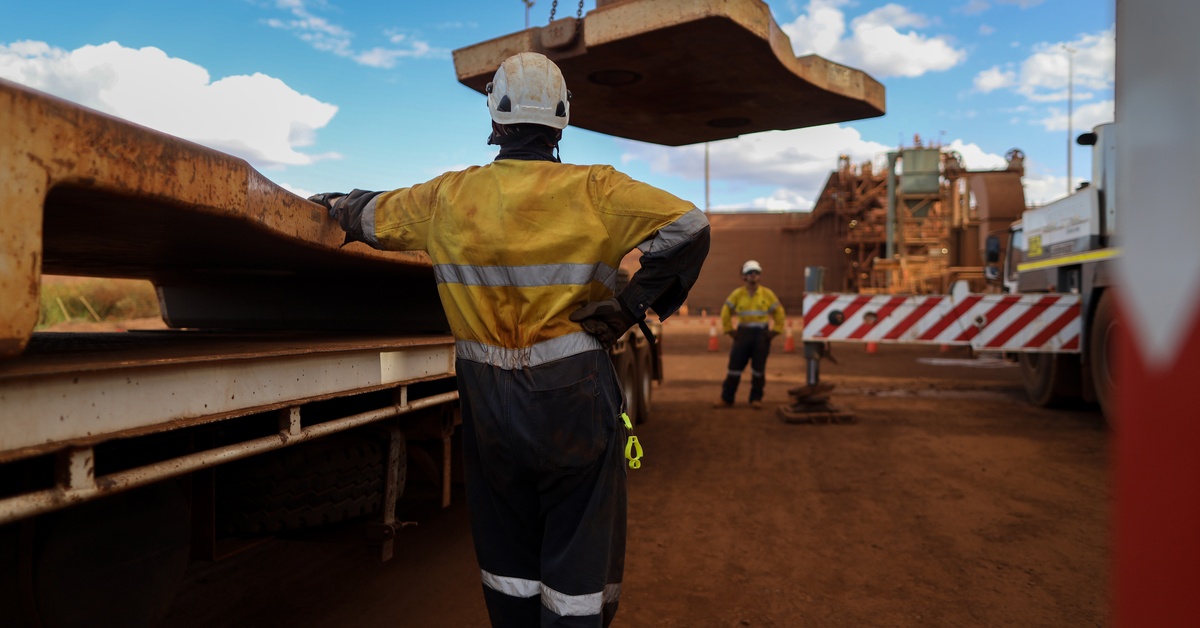
You lay the groundwork for a successful tandem lift long before the engines of the cranes are ever started. A detailed and rigorous lift plan is the foundation of a safe tandem lift. This plan is a comprehensive document that outlines every aspect of the lift, leaving no room for guesswork.
Key Components of a Lift Plan
A thorough lift plan for a tandem lift will always include several key elements.
Crane Selection and Capacity
The plan must specify the make, model, and capacity of each crane. The cranes selected must not only be capable of handling their portion of the load but also have compatible lifting speeds and control systems. The plan will detail the total load weight, including rigging, and calculate the exact percentage of the load each crane will bear.
Crane Positioning and Ground Conditions
Map out the precise location for each crane, while considering factors like ground-bearing pressure, potential underground utilities, and proximity to other structures. Geotechnical reports usually confirm that the ground can support the immense weight of the cranes and the load.
Rigging Design
The rigging—slings, shackles, spreader bars, and other hardware—is a critical component. The lift plan includes detailed drawings of the rigging configuration, specifying the type, size, and capacity of each piece of equipment. The design must ensure the load remains balanced and stable at all times.
Communication Protocols
Clear and constant communication is non-negotiable. The plan establishes the primary method of communication (usually two-way radios on a dedicated channel) and a backup system (standardized hand signals).
The Team Behind the Lift
A tandem lift is a team effort that requires skilled professionals who can work in perfect harmony. Each member has a distinct and vital role to play in the operation’s success.
Lift Director/Appointed Person
This individual has the ultimate responsibility for the entire operation. The lift director oversees the creation of the lift plan and ensures that everyone follows the plan during the lift. They are the central point of command on the day of the lift, making all critical decisions.
Crane Operators
The operators are responsible for controlling the cranes. In a tandem lift, they must work in seamless coordination, following the lift director’s instructions to the letter. Their skill in making smooth, synchronized movements is essential to prevent load shifting or swinging.
Signalperson
The signalperson acts as the eyes and ears of the crane operators, who may have obstructed views of the load. They relay instructions from the lift director to the operators using clear, pre-established radio commands or hand signals.
Riggers
The rigging crew is responsible for preparing and attaching the load to the cranes. They inspect all rigging equipment before the lift and ensure it is configured exactly as specified in the lift plan.
The Importance of Safety at Every Stage
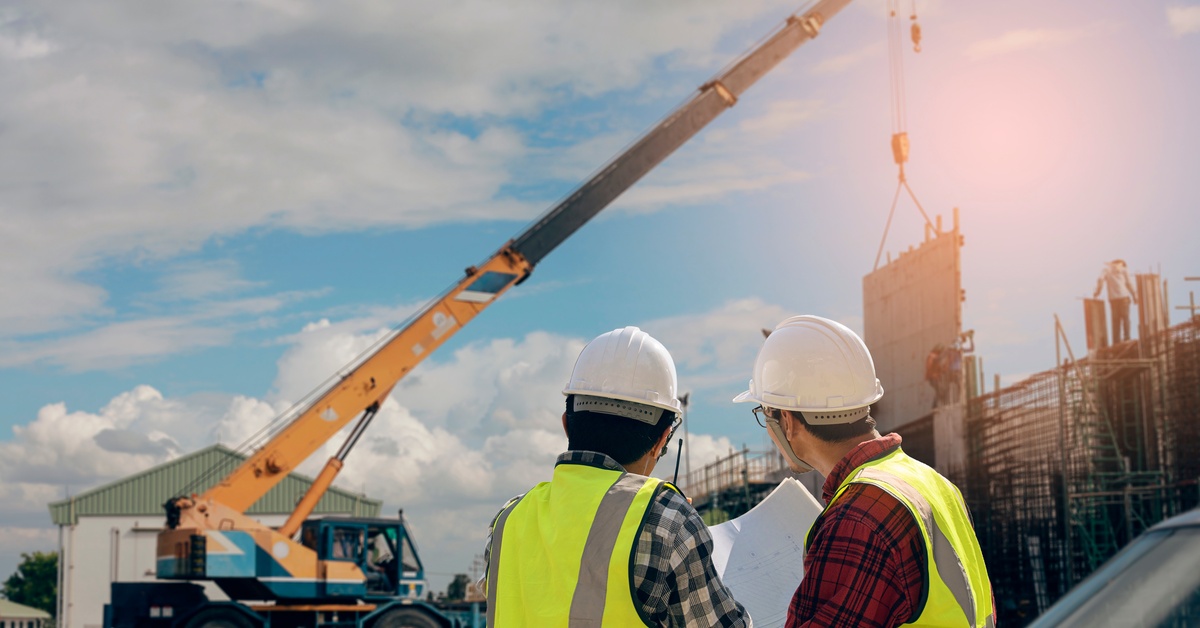
Due to the inherent complexity of tandem lifting, safety is the paramount concern. The risks are significantly higher than with a single crane lift, as even a small error can lead to catastrophic failure.
Critical Safety Considerations
Several factors are crucial for mitigating the risks associated with tandem lifts.
Synchronized Movement
Both cranes must lift, move, and lower the load at the same speed. Any discrepancy in movement can cause a dangerous shift in the load’s weight distribution, potentially overloading one of the cranes. Modern cranes often have computerized control systems that can help synchronize their operations.
Monitoring Load Distribution
Throughout the lift, the team must continuously monitor the load on each crane. Load cells and other monitoring devices provide real-time data, allowing the lift director to ensure neither crane exceeds its rated capacity.
Environmental Factors
Weather plays a significant role in lifting operations. High winds are particularly dangerous, as they can cause the load to swing uncontrollably. You may have to postpone the lift if wind speeds exceed the limits specified in the lift plan.
Emergency Procedures
A comprehensive lift plan includes detailed emergency procedures. You must brief the entire team on what to do in case of equipment failure, sudden weather changes, or other unforeseen events.
Your Trusted Partner in Complex Lifting
Tandem lifting is a powerful demonstration of engineering precision and teamwork. When executed correctly, it allows for the completion of ambitious construction and industrial projects that would otherwise be impossible.
However, the complexity and potential risks involved mean you shouldn’t take on these operations without highly experienced and qualified professionals. From the initial planning stages to the final placement of the load, every step requires expert knowledge and an unwavering commitment to safety.
For your next major project requiring a specialized lifting solution, it’s essential to partner with a team that has a proven track record of safety and expertise, like Heave Ho! Crane & Rigging.
Our Louisiana crane service has been operating on the Gulf Coast for over 30 years. Our dependable equipment and crew ensure that all lifts are safely executed throughout the entire process. Don’t risk your worksite’s safety—contact Heave Ho! Crane & Rigging for your lifting needs.