
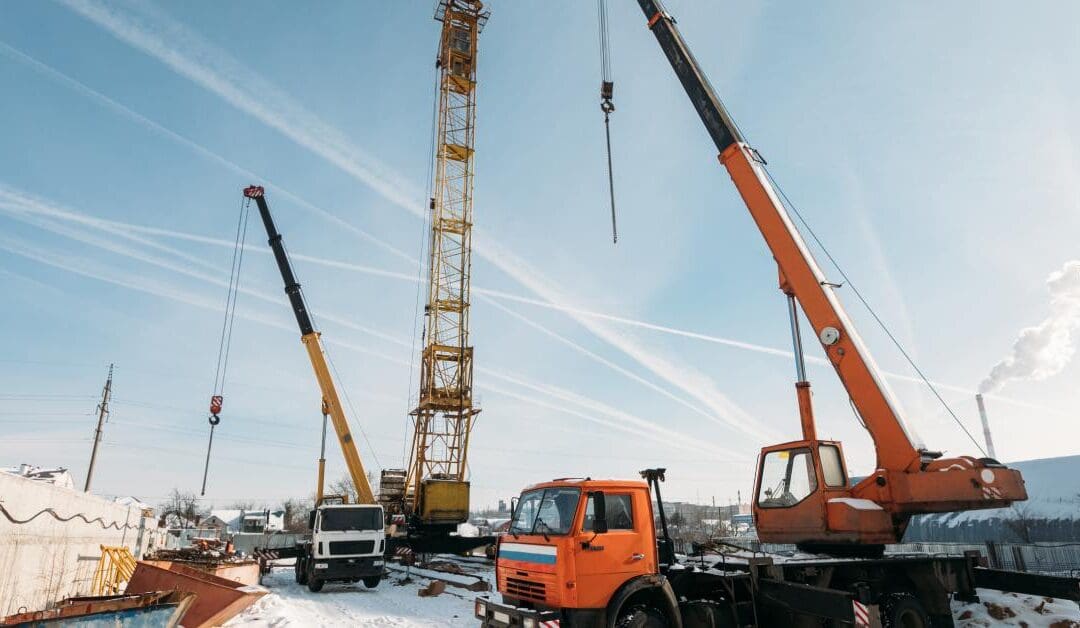
Remote construction projects often require cranes to lift heavy equipment, structural components, or HVAC units in areas far from major infrastructure. These projects present unique logistical and operational challenges that demand thoughtful planning and coordination.
Teams must consider transportation routes, site access, communication, and safety procedures before equipment arrives on location. Effective management of crane rentals in remote locations ensures projects stay on schedule, avoid unnecessary costs, and maintain safe lifting operations even in difficult environments.
Understand the Challenges of Remote Crane Operations
Remote job sites introduce logistical obstacles that urban or suburban construction projects rarely face. Limited road access, unstable terrain, and restricted staging areas often complicate crane setup and operation.
Project managers must evaluate terrain conditions, weather patterns, and equipment transport routes before selecting the appropriate crane. Thorough planning prevents delays and allows crews to prepare for environmental factors that influence lifting performance.
Distance from supply centers also affects how quickly crews can address unexpected equipment needs. Replacement parts, additional rigging gear, or mechanical assistance may require significant travel time.
Careful planning helps teams anticipate these limitations and prepare contingency strategies before work begins. This level of preparation supports safe and efficient crane operations throughout the entire project timeline.
Choose the Right Crane for the Environment
Equipment selection plays a major role in the success of remote lifting projects. Different crane types offer advantages depending on terrain, load requirements, and available space.
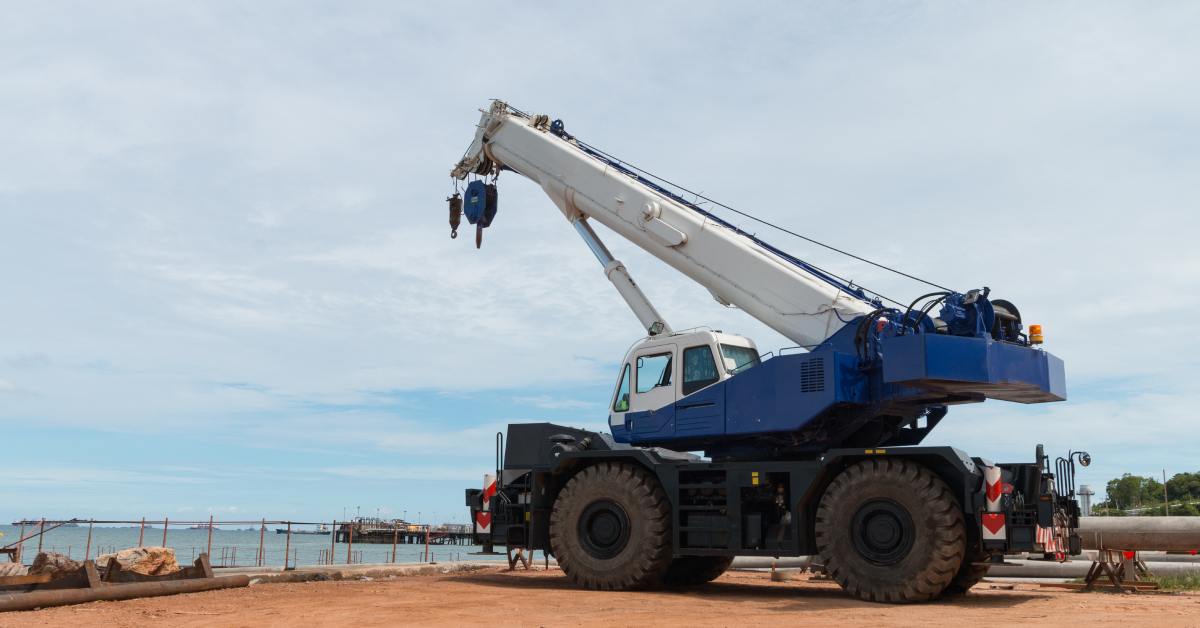
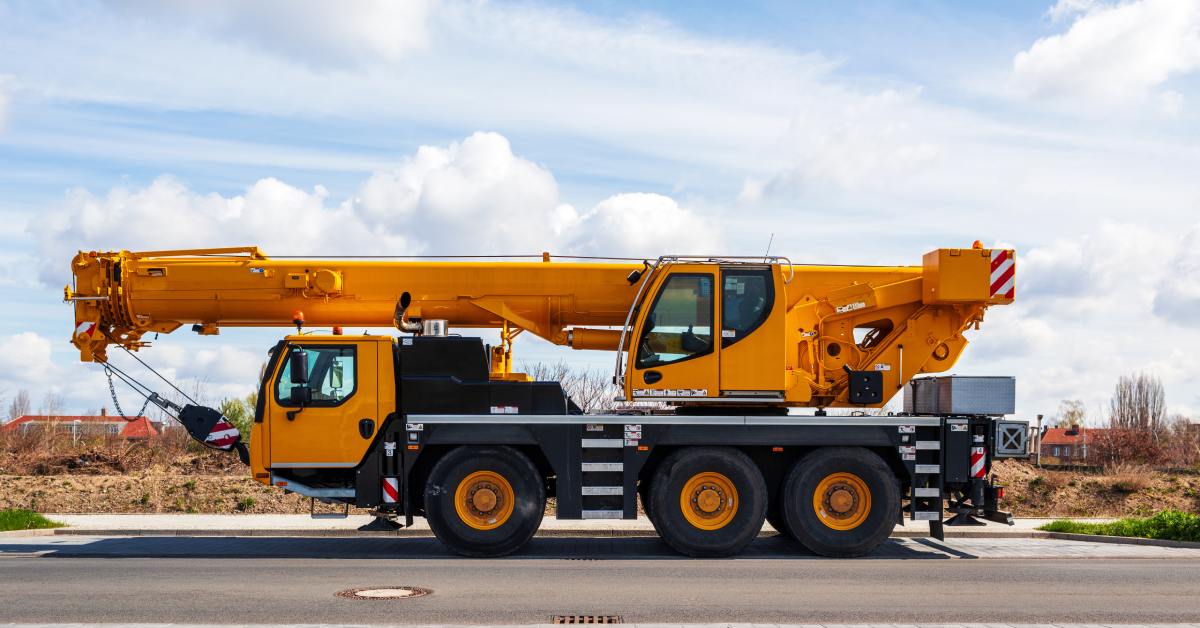
Rough-terrain cranes, truck-mounted cranes, and all-terrain cranes each provide unique mobility and lifting capabilities for remote work sites. Matching the crane to the environment ensures operators maintain stability, reach, and lifting power during every stage of the project.
Site conditions influence the crane’s footprint, setup process, and operational range. Narrow access roads may require smaller mobile cranes that maneuver easily through tight spaces. Projects located on uneven ground benefit from equipment designed for rugged terrain and off-road mobility. Thoughtful crane selection reduces transportation challenges and improves overall project efficiency.
Conduct a Detailed Site Assessment Before Delivery
Successful crane rentals in remote locations always begin with a detailed site evaluation. Project managers and lifting specialists must assess soil conditions, elevation changes, overhead hazards, and access routes before equipment arrives.
A comprehensive survey identifies potential obstacles that could affect crane placement or lifting operations. Early identification of these factors allows crews to design a safe and efficient lifting plan.
Site assessments also determine whether ground stabilization measures will support crane outriggers. Soft or unstable soil may require mats, gravel reinforcement, or temporary ground improvements.
These preparations protect equipment from shifting or sinking during operation. Careful evaluation of the work site prevents safety hazards and ensures cranes operate within safe load parameters.
Plan Transportation and Logistics in Advance
Transporting heavy crane equipment to remote job sites requires careful logistical planning. Many cranes are shipped in multiple components, requiring specialized trucks and trailers for safe delivery. Project managers must coordinate transportation routes, permits, and escort vehicles when oversized loads move through public roadways. Early logistical coordination prevents delays and ensures equipment arrives when the job site is ready.
Remote locations may require additional travel time due to narrow roads, bridges, or terrain limitations. Teams should evaluate multiple route options to avoid obstacles that restrict the movement of heavy equipment.
Planning staging areas for unloading and assembly also improves efficiency during crane setup. Well-organized logistics streamline project timelines and reduce the risk of costly delays.
Ensure Proper Communication Across the Job Site
Reliable communication remains essential for crane operations, especially in remote environments where signal coverage may vary. Crane operators, signal persons, and ground crews must coordinate lifting procedures through clear communication methods.
Radios, satellite communication devices, or dedicated job site communication systems often support this coordination. Strong communication protocols reduce the risk of misunderstandings during critical lifting tasks.
Teams should also establish clear communication procedures before work begins. Standard hand signals, emergency stop commands, and operational check-ins keep everyone aligned throughout the project. Consistent communication practices help crews respond quickly to changing site conditions. Effective coordination strengthens safety and supports smooth crane operation from start to finish.
Prepare Equipment and Support Tools Ahead of Time
Remote crane projects require crews to prepare additional tools and support equipment before arriving on site. Limited access to nearby suppliers makes on-site preparation extremely important for uninterrupted operations.
Crews should transport spare rigging gear, safety equipment, and maintenance tools to the project location. This preparation reduces downtime if equipment adjustments or repairs become necessary.
The following preparation steps improve crane efficiency in remote locations:
- Bring additional rigging gear and lifting accessories
- Pack spare parts for commonly serviced crane components
- Transport crane mats or ground stabilization materials
- Carry backup communication devices and batteries
- Stock essential maintenance tools and lubricants
Thorough preparation ensures crews can address equipment needs without relying on distant supply centers. These proactive steps keep lifting operations moving even when unexpected challenges arise.
Prioritize Safety Procedures for Remote Lifting Projects
Remote environments demand strong safety protocols because emergency response times may increase in isolated areas. Crews must follow strict lifting plans, inspection routines, and operator guidelines during every stage of the project. Pre-lift meetings help teams review hazards, clarify responsibilities, and confirm communication procedures. These discussions strengthen awareness and improve coordination across the entire crew.
Operators must also monitor weather conditions closely when working in remote environments. Wind speed, heavy rain, and unstable ground conditions can significantly affect crane performance. Teams should pause operations whenever environmental conditions compromise safety. Consistent adherence to safety procedures protects both workers and equipment during demanding lifting tasks.
Coordinate with Experienced Crane Service Providers
Working with experienced crane professionals helps project managers navigate the complexities of remote lifting operations. Specialized providers understand how terrain, logistics, and environmental conditions influence crane performance.
These professionals assist with equipment selection, lift planning, and transportation coordination for challenging job sites. Their expertise supports efficient operations even in difficult locations.
Reliable service providers also bring the experience needed to safely manage complex lifting scenarios. Many construction teams rely on a trusted rigging company to handle specialized lifting needs in remote areas.
Professional support helps crews complete projects safely while avoiding unnecessary complications. Experienced partners add valuable guidance throughout every phase of the project.
Partnering With the Right Crane Rental Service
Managing crane rentals in remote locations requires careful planning, strong communication, and detailed logistical coordination. Successful projects begin with site evaluations, proper crane selection, and thorough preparation for environmental conditions.
Businesses that partner with Heave Ho! Crane & Rigging receive dependable lifting support for projects that require precision, professionalism, and safe crane operations. Our team has over 30 years of experience in the Gulf Coast region, providing high-quality crane and rigging services to all of our clients. Contact us today to request a quote for your project.