
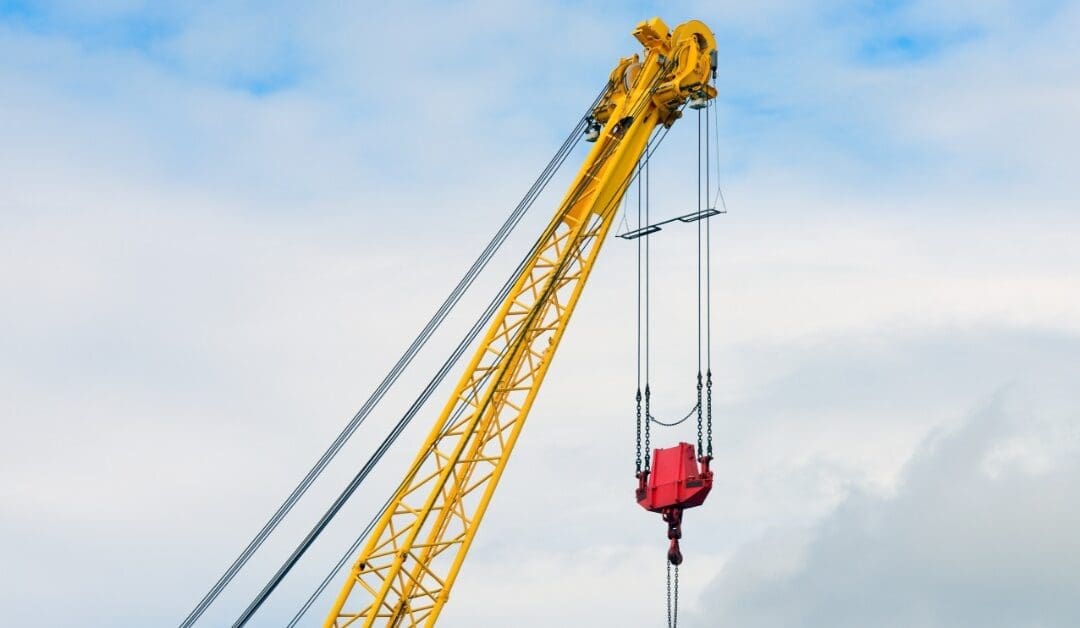
Crane operations demand a clear understanding of how equipment behaves under load. One critical concept that often gets overlooked involves crane boom deflection and its impact on lifting performance.
Boom deflection refers to the amount a crane’s boom bends or flexes when it supports a load during operation. This natural movement plays a major role in safety, accuracy, and overall job success for any lifting project.
Professionals in crane services must understand how boom deflection affects load placement and equipment limits. Even small amounts of deflection can influence how a load moves through the air and where it ultimately lands. Teams that understand crane boom deflection and why it matters make better decisions and avoid costly mistakes on job sites.
Understanding Crane Boom Deflection
Crane boom deflection occurs when the boom bends slightly under the weight of a load. Every crane boom, regardless of size or type, experiences some level of flex during operation. Manufacturers design booms to handle this movement safely within specific limits. Operators must understand those limits to maintain control and accuracy.
The amount of deflection depends on factors like boom length, load weight, and crane configuration. Longer booms typically show more visible deflection than shorter ones. Heavier loads also increase the degree of bending along the boom. These variables combine to influence how the crane performs during a lift.
Why Boom Deflection Happens
Boom deflection results from basic physics and material behavior under stress. Steel structures, including crane booms, flex when force is applied. Engineers account for this behavior when they design cranes for real-world use. This flexibility allows the boom to absorb stress without failing.
Crane operators must recognize that deflection does not indicate a problem when it stays within design limits. It reflects normal performance under load conditions. However, ignoring excessive deflection can lead to safety risks. Understanding the difference between normal and excessive deflection remains essential.
Factors That Influence Boom Deflection
Several factors directly impact how much a crane boom deflects during operation. Operators and project managers must evaluate these variables before every lift. Accurate planning helps reduce risk and improve efficiency on the job site. Each factor affects how the crane behaves under load. This includes:
- Boom length and extension configuration
- Weight of the load being lifted
- Radius or distance from the crane base
- Type of crane and boom design
- Wind conditions and environmental forces
- Ground stability and crane setup
These elements work together to determine the stress on the boom. Ignoring even one factor can lead to miscalculations during lifting operations. Proper planning ensures the crane operates within safe limits at all times.
The Impact on Load Accuracy
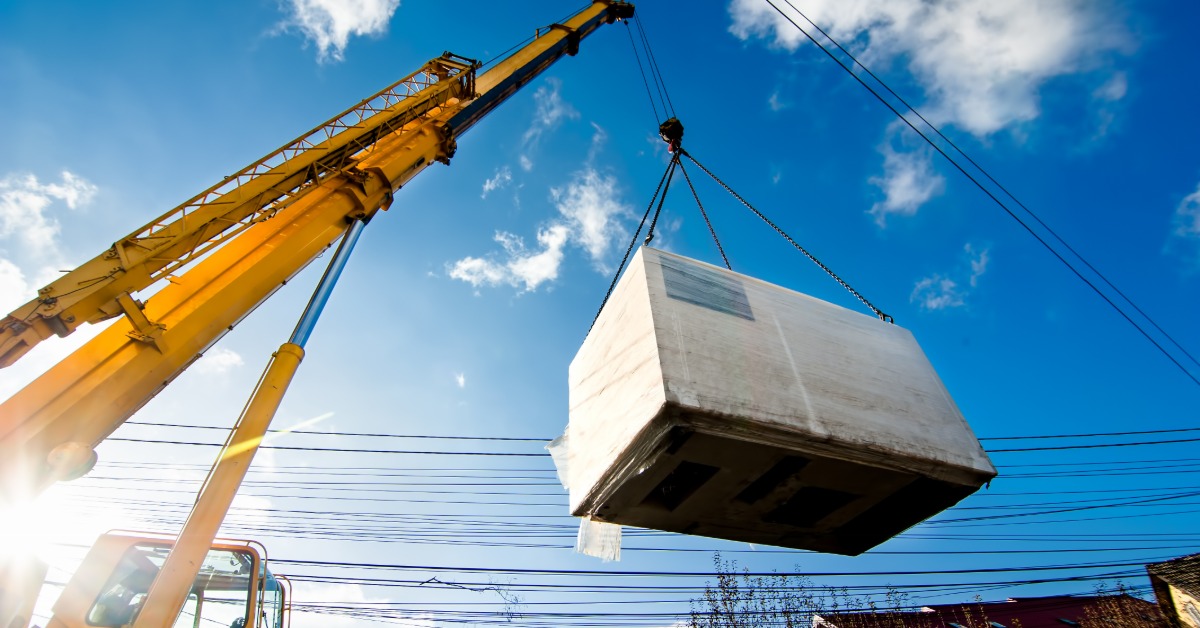
Boom deflection directly affects where a load lands during placement. As the boom bends, the load shifts slightly from its expected path. This shift can create challenges when installing equipment such as HVAC units on rooftops or in tight spaces. Precision becomes harder without accounting for deflection.
Experienced operators anticipate this movement and adjust accordingly. They rely on training and site awareness to guide the load into position. Small adjustments during the lift can make a significant difference in final placement. This level of control separates skilled crane operators from inexperienced ones.
Safety Considerations and Risks
Ignoring crane boom deflection can lead to serious safety concerns on any job site. Excessive deflection may indicate that the crane operates near or beyond its capacity. This situation increases the risk of structural failure or load instability. Safety depends on staying within manufacturer guidelines at all times.
Teams must monitor load charts and crane configurations carefully before lifting begins. These charts account for deflection and provide safe operating limits. Following these guidelines helps prevent accidents and protects both workers and equipment. A strong safety culture always includes awareness of boom behavior.
How Crane Operators Manage Deflection
Professional crane operators use several techniques to manage and compensate for boom deflection. They combine technical knowledge with hands-on experience to maintain control during lifts. Proper planning and communication play a key role in this process. Every lift requires a clear strategy before execution.
Operators review load charts and calculate expected deflection before starting the lift. They also conduct test lifts to observe how the crane responds under load. Spotters and rigging crews assist by providing visual feedback during operation. This teamwork ensures accurate placement and safe handling of materials.
The Role of Crane Selection
Choosing the right crane for a project helps minimize the effects of boom deflection. Different crane types handle loads in unique ways based on their design and capabilities. Selecting the appropriate equipment improves both safety and efficiency. Project requirements should always guide crane selection.
For example, shorter boom configurations often reduce deflection compared to extended setups. Heavier-duty cranes may also handle loads with less visible flex. Matching the crane to the job prevents unnecessary strain on the equipment. This approach leads to smoother operations and better outcomes.
Why Boom Deflection Matters for HVAC Lifts
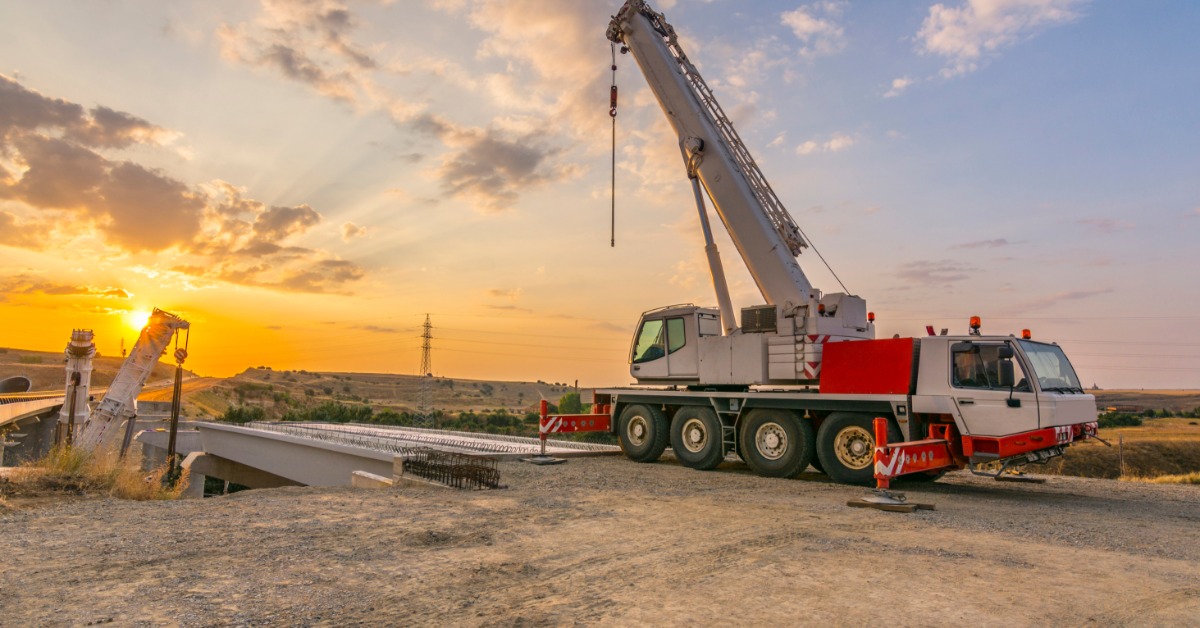
Boom deflection plays a major role in projects that involve lifting HVAC units and similar equipment. These lifts often require precise placement on rooftops or confined spaces. Even minor miscalculations can cause delays or damage during installation. Accuracy remains critical for these types of jobs.
Companies like Heave Ho! Crane & Rigging focuses on these detailed lifting tasks across the Gulf Coast region. Our experience allows us to account for deflection and deliver reliable results. This expertise ensures safe and efficient project completion.
How Proper Planning Reduces Deflection Issues
Careful planning helps minimize the challenges associated with crane boom deflection. Teams that prepare thoroughly can predict how the crane will behave under load. This preparation reduces surprises during the lift. It also improves overall job site safety and efficiency.
Site evaluations, load calculations, and equipment inspections all contribute to better planning. Crews must assess ground conditions and environmental factors before setting up the crane. Clear communication between operators and rigging teams ensures everyone understands the plan. This level of coordination leads to successful lifts.
Partnering with Experienced Crane Professionals
Working with an experienced crane service provider makes a significant difference in managing boom deflection. Skilled teams bring knowledge, training, and the right equipment to every project. They understand how to handle complex lifts while maintaining safety standards. This expertise helps avoid costly mistakes.
Heave Ho! Crane & Rigging delivers professional crane services with a focus on precision and reliability. Our team approaches every crane and rigging project with careful planning and attention to detail. Choosing to partner with us ensures the job gets done safely and efficiently.
Why Understanding Boom Deflection Leads to Safer Lifts
Crane boom deflections are an important part of crane operation. Understanding how and why it occurs helps operators maintain control during lifts. Ignoring deflection can lead to unnecessary risks and complications.
Every lifting project benefits from proper planning, the right equipment, and experienced professionals. Teams that account for deflection can complete jobs with confidence and precision. Whether placing HVAC units or handling other loads, this concept remains essential. Contact Heave Ho! Crane & Rigging to work with trained professionals who understand crane behavior and can create better outcomes on every job site.