
Choosing the right crane impacts safety, efficiency, and project success. Rough terrain cranes and crawler cranes both handle demanding lifting jobs, but they serve different purposes.
Each machine offers unique advantages based on job-site conditions and load requirements, so it comes down to what your project needs. Understanding the differences between rough terrain and crawler cranes helps contractors and facility managers make smarter rental decisions.
What Is a Rough Terrain Crane?
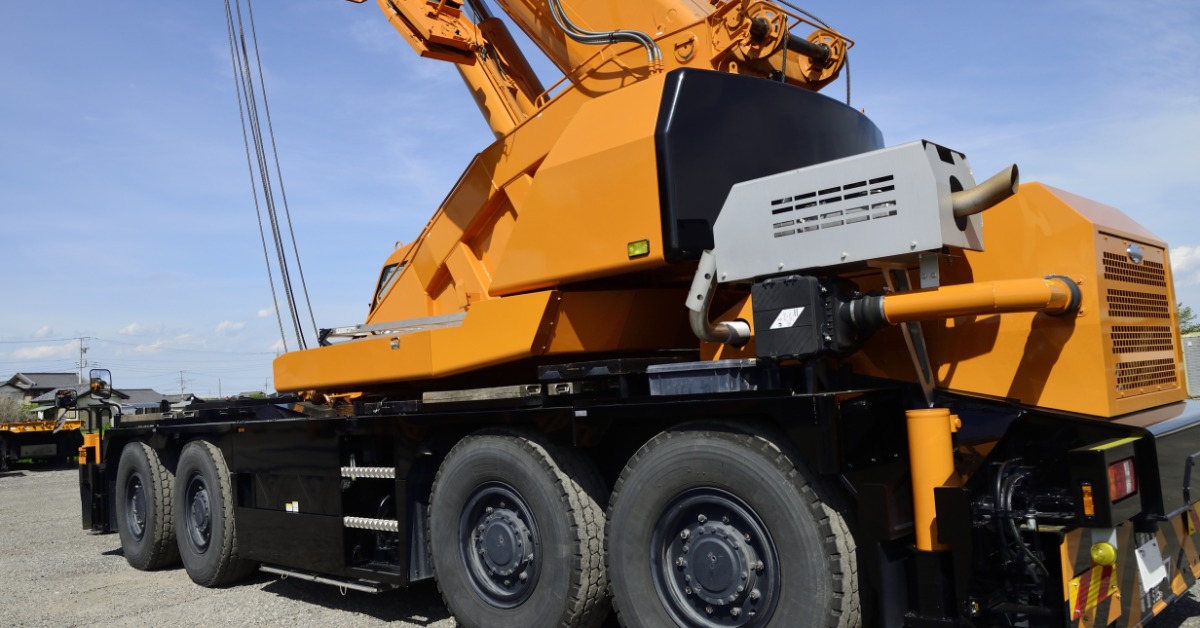
A rough terrain crane operates on rubber tires and handles uneven, off-road job sites with ease. It features a single engine that powers both the carrier and the boom. Operators use its compact design to maneuver through tight spaces and confined areas. This crane performs best on sites that require quick setup and short travel distances.
Rough terrain cranes often support construction, maintenance, and HVAC installation projects. Their ability to drive on uneven ground makes them ideal for job sites without paved access. Outriggers provide stability during lifts, which ensures safe operation. Crews value their speed and flexibility when timelines matter.
What Is a Crawler Crane?
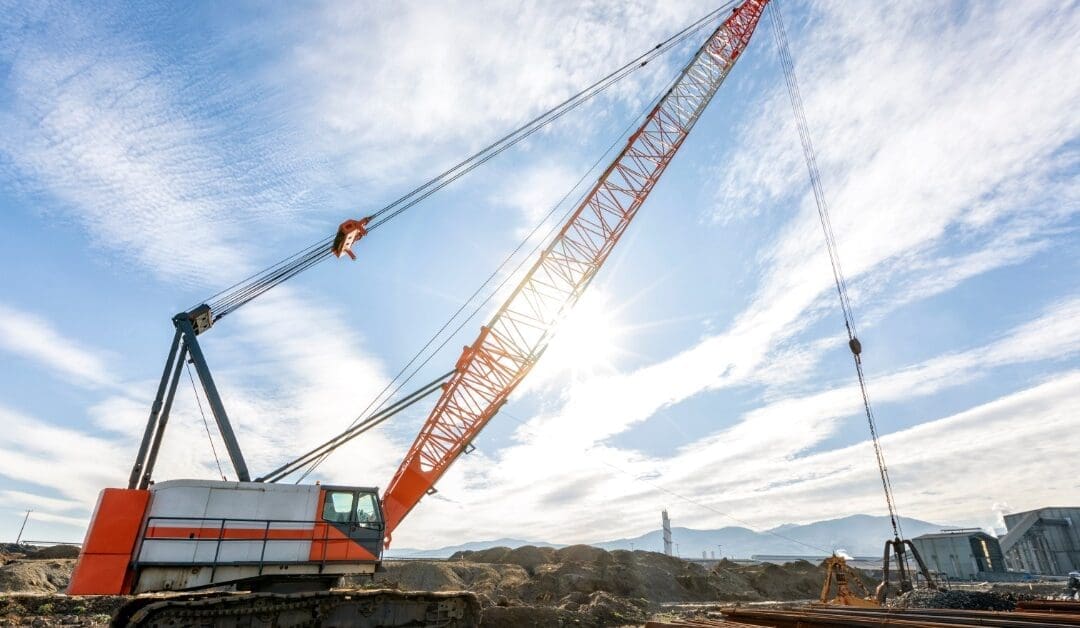
A crawler crane moves on tracks instead of wheels, which gives it exceptional stability. Its design distributes weight evenly across soft or unstable ground. This crane handles heavy loads and long-term projects where frequent repositioning is unnecessary. Contractors rely on crawler cranes for large-scale construction and infrastructure work.
Crawler cranes do not require outriggers, which simplifies setup on certain job sites. Their lifting capacity often exceeds that of rough terrain cranes. However, transportation requires disassembly and multiple trucks. This makes them better suited for longer-duration projects.
Key Differences in Mobility and Setup
Mobility defines one of the biggest differences between these two crane types. Rough terrain cranes travel easily around job sites and reposition quickly. Operators drive them short distances without requiring additional transport equipment. This reduces downtime and keeps projects moving efficiently.
Crawler cranes move slowly and require planning before relocation. Their tracked system provides stability but limits speed and convenience. Crews must disassemble and transport them between job sites. This process increases setup time but supports heavier lifts once assembled.
Ground Conditions and Job Site Requirements
Ground conditions play a major role in crane selection. Rough terrain cranes perform well on firm but uneven surfaces. Their tires handle gravel and moderately rough environments. Outriggers help stabilize the crane during lifts.
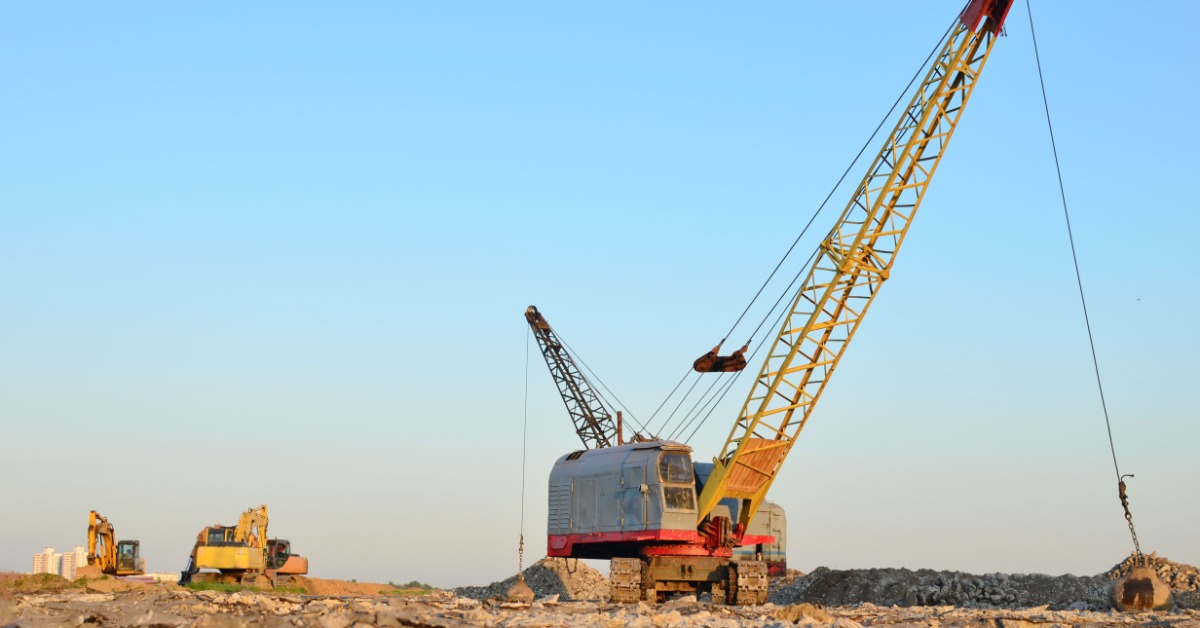
Crawler cranes excel on soft, muddy, or unstable ground. Their tracks distribute weight to prevent sinking or tipping. This makes them ideal for large construction sites or areas with poor soil conditions.
Lifting Capacity and Performance
Crawler cranes generally offer higher lifting capacities than rough terrain cranes. Their design supports extremely heavy loads and long reach capabilities. Contractors use them for major infrastructure projects, such as bridges and industrial builds. Their strength makes them a preferred choice for complex lifts.
Rough terrain cranes handle moderate loads with precision and speed. They work well for HVAC units, structural components, and maintenance tasks. Their flexibility allows crews to complete multiple lifts in a single day. This makes them a practical option for smaller-scale projects rather than heavy lifts.
Transportation and Logistics Considerations
Transportation impacts both cost and scheduling. Rough terrain cranes travel on standard trailers and require minimal breakdown. This simplifies logistics and reduces mobilization time. Crews can deploy them quickly for urgent or short-term jobs.
Crawler cranes require extensive planning for transport. Teams must disassemble major components and use multiple trucks. Reassembly takes time and skilled labor. These factors increase project costs but support heavy-duty performance once on site.
When to Choose a Rough Terrain Crane
Rough-terrain cranes work best for projects that require mobility and a quick turnaround. They fit jobs where space is limited, and access remains challenging. Contractors often select them for commercial work and equipment installation. Their versatility makes them a popular choice across many industries.
Use a rough terrain crane when the project involves:
- Short-term lifting tasks
- Frequent repositioning on site
- Moderate load requirements
- Tight or confined spaces
- Faster setup and teardown needs
These advantages help crews stay efficient without sacrificing safety.
When to Choose a Crawler Crane
Crawler cranes suit projects that demand heavy lifting and long-term stability. They perform best on large job sites where movement remains minimal. Contractors rely on them for infrastructure, industrial construction, and major builds. Their strength supports complex and high-capacity lifts.
Choose a crawler crane when the job requires:
- Extremely heavy loads
- Soft or unstable ground conditions
- Long project timelines
- Minimal need for relocation
- Maximum lifting capacity and reach
This crane type delivers unmatched performance for demanding projects.
Cost and Efficiency Considerations
Cost plays a key role in crane selection. Rough terrain cranes typically cost less to mobilize and operate. Their quick setup reduces labor time and increases productivity. This makes them a cost-effective solution for smaller or fast-paced jobs.
Crawler cranes involve higher upfront costs due to transport and assembly. However, they deliver value on large projects that require heavy lifting over time. Their efficiency increases when used consistently on long-term sites. Choosing the right crane helps balance cost and performance.
How Crane Selection Impacts Project Success
Selecting the correct crane affects every phase of a project. The wrong equipment can slow progress and create safety risks to your crew and the worksite. Proper planning ensures that lifting operations run smoothly from start to finish. Contractors must evaluate site conditions, load requirements, and timelines before making a decision.
Experienced providers help guide this process with expert recommendations. They assess each job and match the right crane to the task. This approach improves efficiency and reduces unexpected challenges. It also ensures compliance with safety standards.
Partnering With the Right Crane Rental Company
Working with a trusted crane rental provider simplifies decision-making. Experienced teams understand the differences between crane types and their applications. They help clients choose equipment that aligns with project goals and site conditions. This level of support ensures reliable results.
Heave Ho! Crane & Rigging brings decades of experience to every project. As a family-owned Louisiana crane service for the Gulf Coast region, our team focuses on safety, efficiency, and professionalism. Our expertise helps clients handle lifting needs with confidence. From HVAC placement to specialized lifts, we provide dependable solutions tailored to each job.
Making the Final Decision
Comparing rough-terrain and crawler cranes helps you make the best decision for your construction project. Rough terrain cranes offer mobility, speed, and flexibility for smaller or fast-moving projects. Crawler cranes deliver unmatched strength and stability for large-scale and long-term work.
Choosing the right crane improves efficiency, controls costs, and enhances safety. A knowledgeable rental partner can guide that decision and ensure success. With the right equipment in place, any lifting project can move forward with confidence. Contact Heave Ho! Crane & Rigging for our expert guidance and crane rental services.