
Installing a billboard is a significant undertaking that requires precision, safety, and the right equipment. Whether it’s a massive roadside advertisement or a smaller commercial sign, the process often involves heavy lifting that only a crane can handle. A successful installation ensures that your marketing investment is secure, visible, and built to last.
However, crane operations are complex. They introduce variables ranging from ground stability to wind speed, all of which an experienced professional must manage. Without proper planning, delays and safety hazards can quickly derail a project.
Drawing on years of industry experience, we have compiled essential tips to guide you through a successful billboard installation with a crane. From site preparation to selecting the right crane service, these insights will help ensure you complete the project safely and efficiently.
1. Conduct a Thorough Site Assessment
Before any equipment arrives on site, a comprehensive assessment is critical. This step lays the groundwork for the entire operation and helps identify potential challenges early on.
Analyze Ground Conditions
Cranes are pieces of heavy machinery that require stable ground for safe operation. Soft soil, uneven terrain, or underground utilities can pose significant risks. A site survey should determine if the ground can support the crane’s weight and the load it will be lifting. In some cases, crane mats or cribbing may be necessary to distribute the weight evenly and prevent sinking or tipping.
Check for Overhead Obstructions
Look up. Power lines, trees, and other structures can interfere with the crane’s boom. Identifying these hazards beforehand allows the crane operator to plan a safe lift path. If power lines are present, you may have to coordinate with local utility companies, who may be required to de-energize lines or install protective barriers.
Accessibility and Logistics
How will the crane reach the installation site? Ensure there is a clear access route that accommodates the crane’s dimensions. Consider traffic flow, tight corners, and any permits needed for road closures or lane restrictions.
2. Select the Right Crane for the Job
Not all cranes are created the same. Choosing the wrong equipment can lead to project delays, increased costs, or dangerous situations.
Determine Load Weight and Dimensions
Accurate data regarding the billboard structure is non-negotiable. You must know the exact weight and dimensions of the sign faces, support poles, and any other components being lifted. This information determines the required lifting capacity.
Calculate the Lift Radius
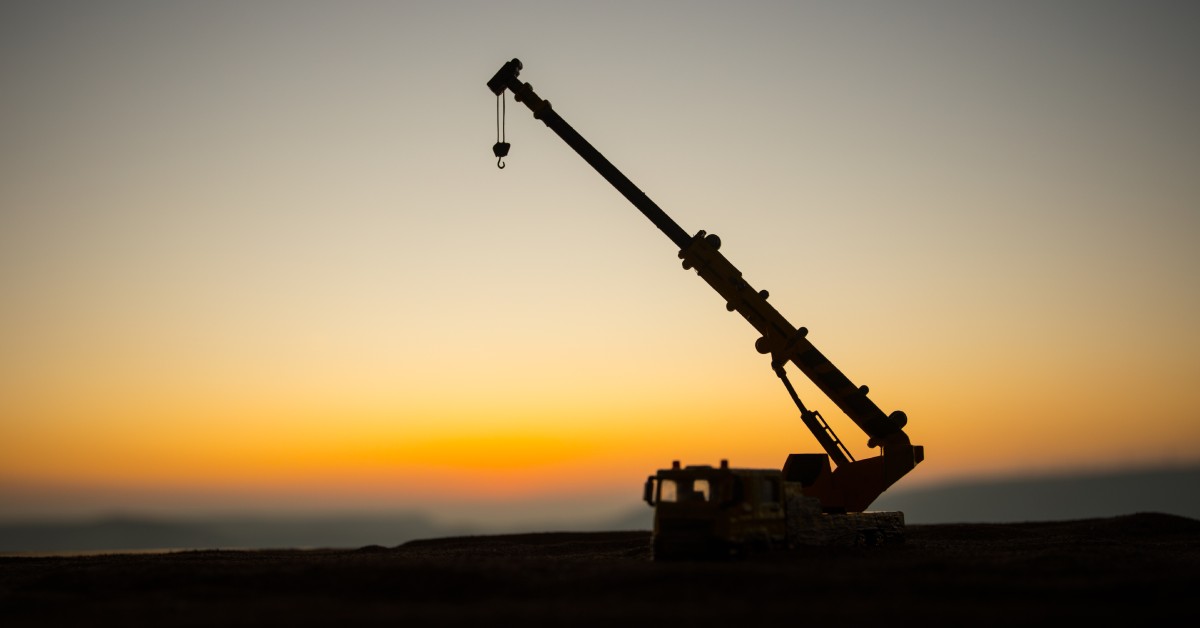
The lift radius is the horizontal distance from the center of rotation of the crane to the center of gravity of the load. As the radius increases, the crane’s lifting capacity decreases. A crane might be able to lift 50 tons close to its cab, but only a fraction of that at full extension. Professional crane operators use load charts to determine exactly which crane configuration your specific work site needs.
Types of Cranes
- All-terrain cranes: Ideal for sites with both on-road travel and off-road maneuvering needs
- Rough terrain cranes: Best suited for uneven ground where stability is a concern
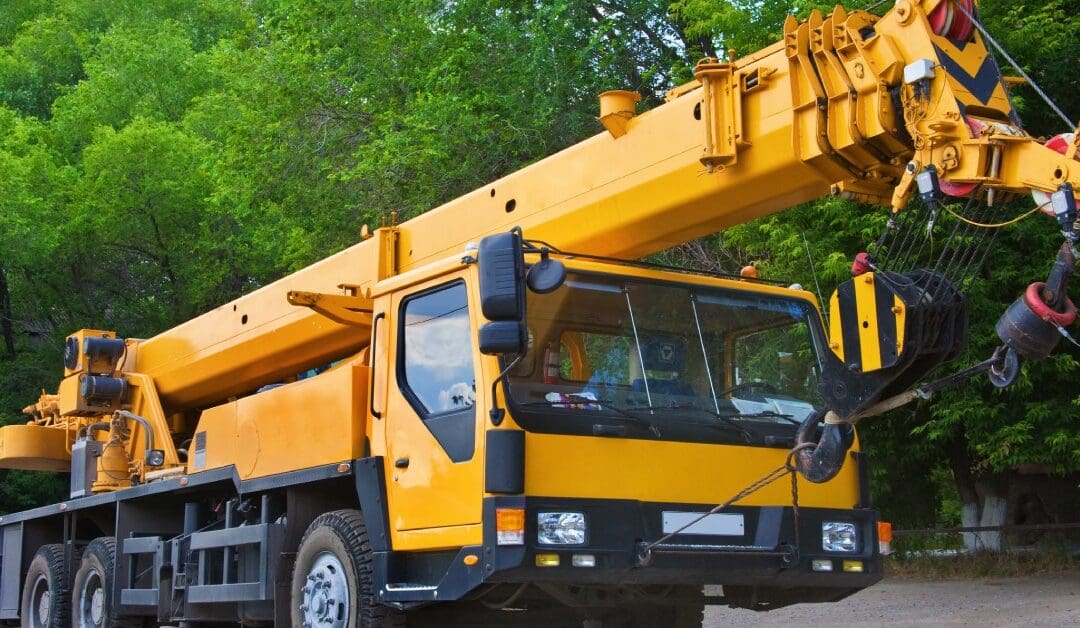
- Truck-mounted cranes: Often a cost-effective choice for standard lifts with good site access
Consulting your crane service provider during the planning phase ensures you mobilize the correct machine for your specific needs.
3. Prioritize Safety Protocols
Safety is paramount in any construction activity, but it is especially critical during lifting operations. A reliable crane service partner will always prioritize safety standards over speed.
Qualified Personnel
All operators should be certified and experienced; you will need to verify this. Signal persons and riggers must also be qualified to handle the specific requirements of billboard installation. Clear communication between the operator and the ground crew is essential for a smooth lift.
Inspect Rigging Equipment
Your team must inspect all slings, shackles, and lifting beams before use. Damaged or inadequate rigging gear is a common cause of accidents. The rigging configuration must be appropriate for the shape and weight distribution of the billboard components to prevent shifting during the lift.
Monitor Weather Conditions
Wind is the enemy of high-elevation lifts. Billboards act like sails, catching the wind and creating unpredictable forces. Establish clear wind speed limits for operation. If weather conditions deteriorate, work should stop immediately. Lightning and heavy rain are also valid reasons to pause operations to ensure crew safety.
4. Coordinate with Your Installation Team
Clear communication between everyone is the make-or-break point of any installation. A successful lift relies on seamless collaboration between the crane operator and the installation crew.
Pre-Lift Meeting
Hold a tailgate meeting before operations begin. This allows the entire team to review the lift plan, discuss roles and responsibilities, and identify any site-specific hazards. Everyone involved should understand the sequence of events.
Clear Communication Signals
Whether using hand signals or radios, establish your communication protocols and ensure everyone understands them. There should be a designated signal person to direct the crane operator, ensuring there is no confusion during critical movements.
Structural Integrity Check
Before the crane releases the load, the installation crew must ensure the billboard is securely fastened to its support structure. You must tighten bolts to specification and inspect the welds. Only when the structure is self-supporting should you detach the rigging.
5. Obtain Necessary Permits and Clearances
Bureaucracy is an unavoidable part of construction. Failing to secure the right paperwork can result in fines or project shutdowns.
Local Zoning and Building Permits
Most billboard installations require permits from local municipalities. These ensure the structure complies with zoning laws and building codes.
Road Occupation Permits
If the crane needs to set up on a public roadway or if the swing radius extends over traffic, you will likely need a road occupancy permit. This may also require a traffic management plan to redirect vehicles and pedestrians safely around the work zone.
FAA Considerations
For extra-tall billboards or installations near airports, you may need clearance from the Federal Aviation Administration (FAA) to ensure the structure or the crane boom does not interfere with air traffic safety.
Securing Your Investment
Billboard installation using a crane is a precise task that demands expertise, planning, and the right machinery. Following these steps, no matter how tedious they might seem, ensures the safety of your team and the project.
Partnering with an experienced crane service provider offers peace of mind throughout the installation process. That is why you should call Heave Ho! Crane & Rigging. Our crane and rigging team is an expert in logistics, lift planning, and safety management.
We turn a complex operation into a controlled, efficient process. When your brand’s visibility is on the line, trust professionals who understand the weight of the job. Contact us today to learn more about our services.